



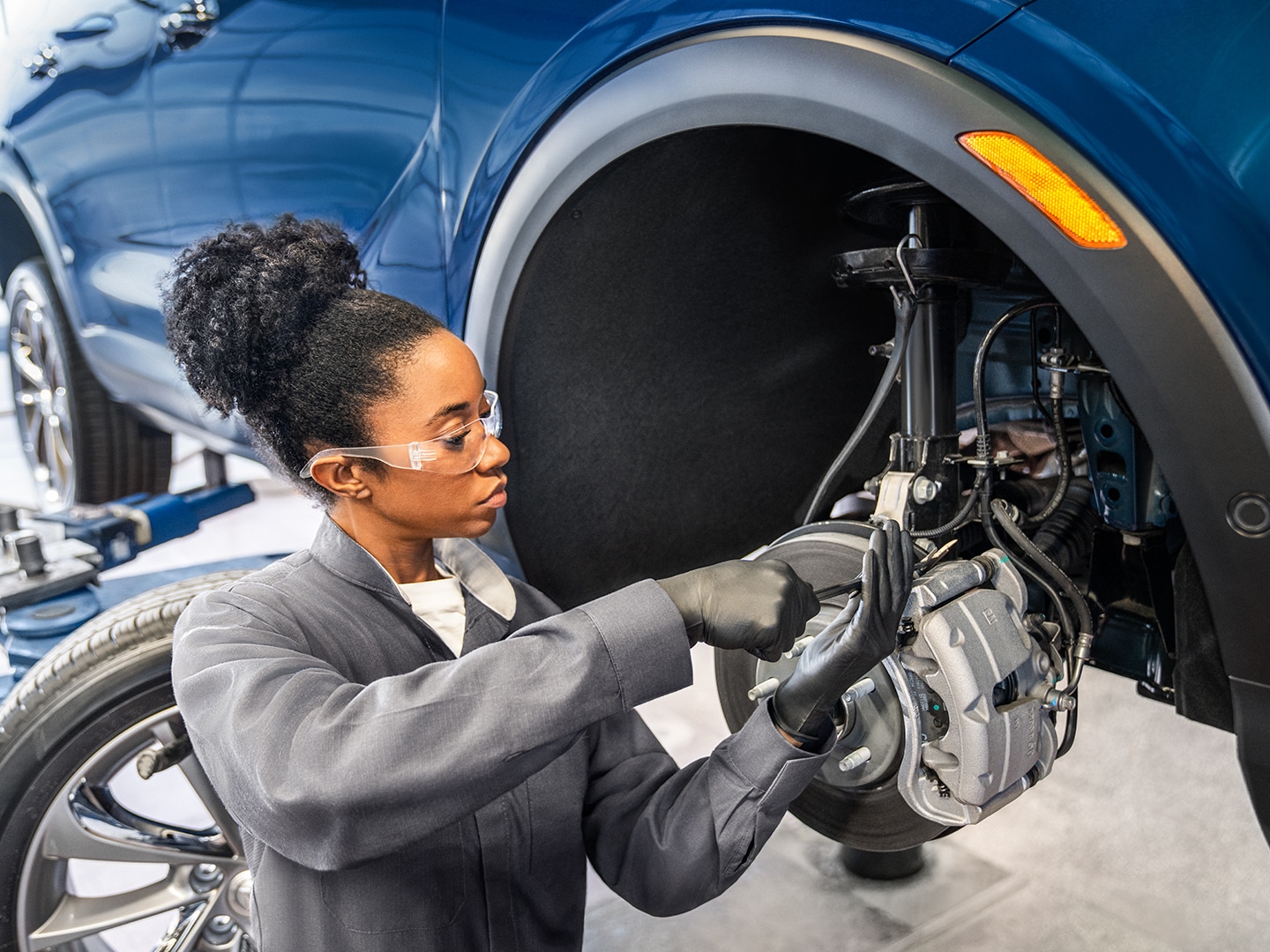
BRAKE SERVICE AND REPAIR
At Curry Auto Center, we know the power to STOP is just as important as the power to GO. Your GMC, Buick, Chevrolet's braking system requires regular service to help ensure it delivers the stopping power you've come to expect from GMC, Buick, Chevrolet.
Our Certified Service experts at Curry Auto Center will help you maintain all your GMC, Buick, Chevrolet vehicle's braking components in top working order - and give you all the stopping power you need.
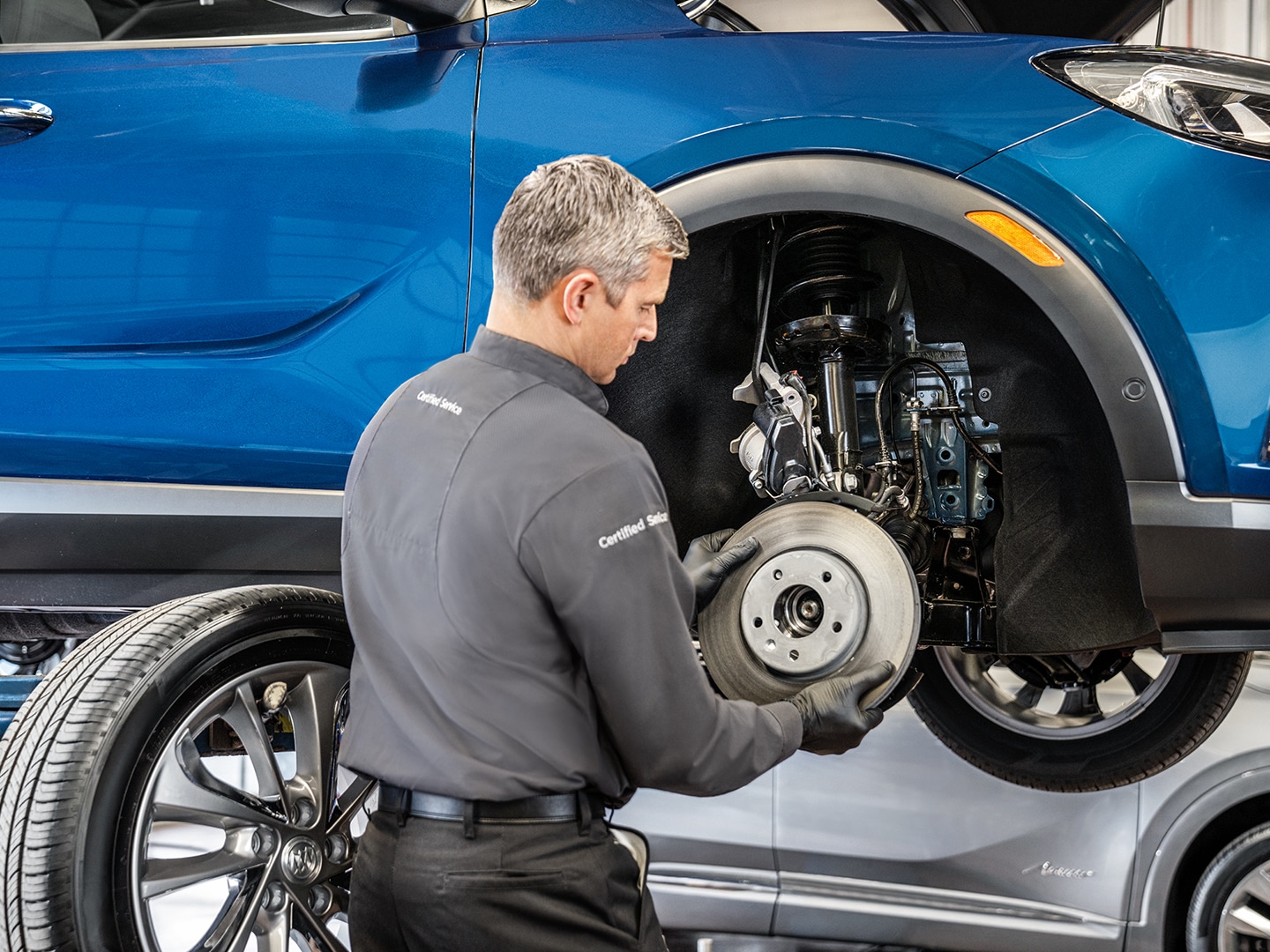
BRAKE WARNING SIGNS
Chirping, squealing, whistling, shaking when stopping, and grinding are all signs that your GMC, Buick, Chevrolet vehicle's brakes need service.
Your vehicle may also feature Brake Wear Indicators or a Brake Pad Life Monitor that uses front and rear thickness sensors to estimate brake pad wear. When service is needed, visit the Certified Service experts at Curry Auto Center to inspect and service your GMC, Buick, Chevrolet's braking system - and ensure all brake components are working properly and as designed.
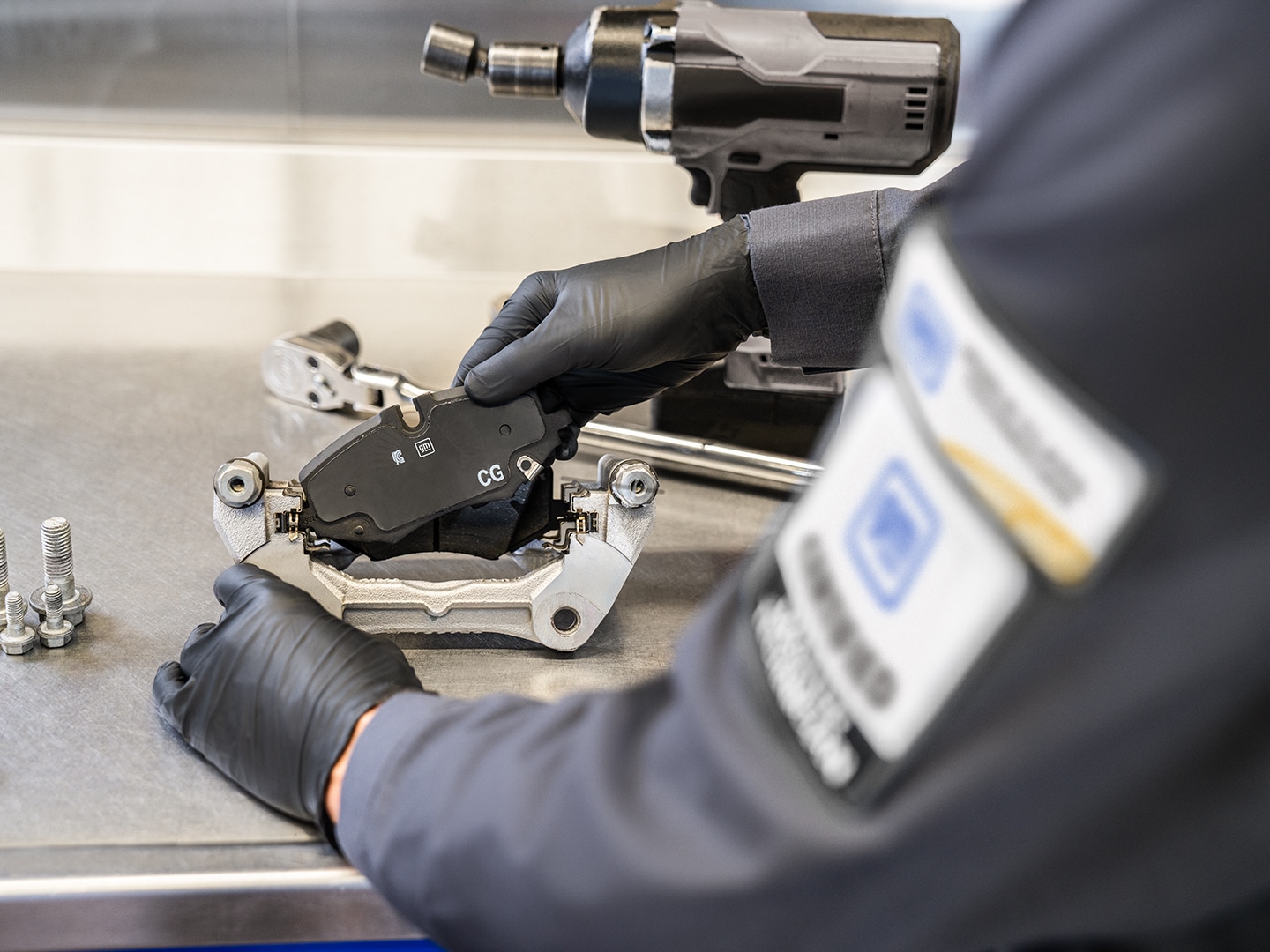
CHOOSE QUALITY BRAKE COMPONENTS
You're in the driver's seat when choosing which replacement parts are used to keep your brake system in optimal condition. Rely on our Certified Service experts to get you safely - and confidently - back on the road with GM Genuine Parts and ACDelco parts, the only Original Equipment and aftermarket parts backed by General Motors.
BRAKE FAQs
You should have your brakes serviced or inspected at least every 7,500 miles. It’s important to keep in mind that brake components wear out at different intervals and under different driving conditions. So, if you notice noises such as squealing, chirping and grinding, as well as pedal pulsations, come in for service.
Brake calipers, brake pads, brake rotors, brake shoes and brake hoses will all need to be repaired or replaced at some point as part of regular brake service and maintenance during the normal lifespan of a vehicle.
No. If there are no conditions such as pedal pulsation or steering-wheel vibration during braking, and the brake rotor is at least 1 mm thicker than the discard thickness, then it does not need to be turned or replaced.
Signs You May Need Brake Repair
Your brakes often give warning signs before a more serious problem develops. From squeaking noises to vibrations or reduced stopping power, catching these issues early can help prevent more expensive repairs and keep you safe on the road. Understanding what to watch for allows you to take action before minor wear turns into major damage. Learn the most common warning signs and when to schedule service here: Signs You Need Brake Repair
Why Are My Brakes Squeaking?
Squeaking or squealing brakes are one of the most common concerns drivers experience, and they can be caused by anything from normal wear to more serious issues. While some noise may be temporary, persistent or worsening sounds should not be ignored. Knowing the difference can help you decide when it is time for an inspection. Find out what causes brake noise and what it means for your vehicle here: Why Are My Brakes Squeaking?
Rotor Resurfacing vs. Replacement
If you are feeling vibration when braking or noticing uneven stopping performance, your brake rotors may be the issue. In some cases, resurfacing the rotors can restore performance, while in others, full replacement is the better long-term solution. Understanding the difference helps you make the right decision for your vehicle and budget. Compare your options and learn what is best for your situation here: Rotor Resurfacing vs. Replacement